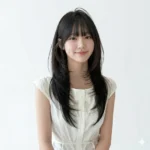

A korean wolf cut can look effortless in photos and unexpectedly difficult in real life if the shape is wrong for your face, density, or styling habits. That is exactly why this haircut deserves a more careful conversation than most trend pieces give it. When it is cut with balance and intention, it creates movement, softness, and that distinctly Korean sense of polished ease. When it is over-layered or copied too literally, it can feel bulky at the crown, thin at the ends, or far harder to manage than expected.
What makes a korean wolf cut different?
The wolf cut started as a more rebellious, shag-meets-mullet shape. The Korean interpretation is usually more refined. Instead of pushing drama first, it focuses on softness, face framing, and a silhouette that still feels wearable for work, weekends, and everyday styling.
A korean wolf cut typically combines shorter layers around the crown with longer lengths through the sides and back, but the transition is more controlled than in edgier versions. The fringe matters. The weight distribution matters. Even the way the ends are texturized matters. The goal is not simply volume at the top and length at the bottom. The goal is a shape that moves naturally and flatters the face from every angle.
That is why two people can ask for the same haircut and need completely different executions. On one client, the cut may need a lighter, airier crown. On another, it may need stronger perimeter weight so the style does not look sparse.
Who the korean wolf cut suits best
This haircut is especially flattering on clients who want visible shape without committing to something severe. If you like layered hair, enjoy some natural movement, and want your style to look intentional even when it is not fully done, this cut often works beautifully.
It tends to suit oval and longer face shapes very well because the layered structure adds width and softness. Round faces can wear it too, but the proportions need more care. Too much volume at the cheek area can make the face look wider, while longer face-framing sections and a softer fringe can create a more balanced result.
For square or stronger jawlines, a korean wolf cut can be very flattering when the layers are softened around the sides and the ends are not cut too bluntly. The overall effect should feel fluid, not choppy. That distinction is small on paper and major in the mirror.
Hair density also changes everything. Medium to thick hair usually gives this cut the easiest foundation because the layers have enough body to show shape. Fine hair can still wear it, but the cut has to be more strategic. If too much weight is removed, the ends may look stringy rather than airy. In those cases, a softer wolf-inspired layering pattern often looks better than a dramatic version.
When this cut may not be the best choice
Not every trend is right for every routine. If you prefer a haircut that dries neatly with very little effort, a korean wolf cut may or may not suit your lifestyle depending on your hair texture. Straight hair with some body can fall into place quite nicely. Very flat, fine hair may need light styling to show the shape. Strongly textured or frizz-prone hair may need more smoothing, especially in humid weather.
It is also not always ideal for clients who are growing out a very blunt bob or one-length haircut and want to keep maximum fullness. A wolf cut creates shape by removing and redistributing weight. If your top priority is thickness at the perimeter, there may be better layered options.
This is where a proper consultation matters. The question is not whether the haircut is trendy. The question is whether it can be tailored to your hair in a way that still feels beautiful three weeks later.
The details that make it look expensive
A well-executed korean wolf cut never looks accidental. It has softness, but it also has technical discipline. The fringe usually plays a central role, whether that means airy see-through bangs, curtain fringe, or longer face-framing layers that open around the cheekbones.
The crown should have movement without becoming puffy. The mid-lengths should connect smoothly instead of breaking into obvious shelves. The ends should feel light, but not weak. That polished balance is what separates a salon-quality Korean shape from a DIY-inspired cut that looks unfinished.
Color can also change the final effect. Soft brown tones, ash shades, beige highlights, and subtle dimension often make the layers more visible. At the same time, heavily bleached hair may need extra caution. Layering can expose dryness more easily, especially at the ends, so hair health should guide the design.
How to ask your stylist for the right version
Reference photos help, but they are only a starting point. The better approach is to describe what you want the cut to do. Do you want more volume at the crown? More softness around the jawline? A lighter, youthful shape without losing too much length? Those details tell a stylist far more than one saved image.
It also helps to be honest about your styling habits. If you use a round brush every morning, one version of the cut may work well. If you mostly air-dry and leave the house, the structure should be adjusted for that reality. A beautiful salon finish means very little if the haircut does not translate into your everyday routine.
At Somi Hair Korean Salon JB, this is exactly why Korean-inspired cuts are approached through consultation first, not trend-chasing. The goal is a result that feels current, but still comfortable to live with.
Styling a korean wolf cut at home
The good news is that this cut is meant to have movement. It does not need to look overly set or stiff. In fact, the best versions usually look soft and touchable.
If your hair is naturally straight or slightly wavy, a light blow-dry with a round brush or large roller brush is often enough. Focus on lifting the roots gently and bending the fringe or face-framing pieces away from the face. You do not need dramatic curls. A slight curve gives the layers definition.
If you prefer heatless styling, use a lightweight volumizing product near the roots and a smoothing cream through the mid-lengths. Then shape the fringe and top layers while the hair is still slightly damp. The finish should feel airy, not coated.
For clients who want a more styled Korean look, a large-barrel iron can add soft bends through the outer layers. Keep the ends light and avoid curling every section in the same direction. Too much uniformity can make the haircut lose its natural, feathered effect.
Maintenance matters more than most people expect
A korean wolf cut usually needs shape maintenance more often than a blunt, one-length haircut. Because the layers are a major part of the look, overgrown proportions can make the style feel heavy or undefined. Many clients benefit from a trim every six to ten weeks, depending on how quickly their hair grows and how precise they like the silhouette to stay.
Home care also matters. Lightweight products usually work better than heavy oils or dense creams, especially around the crown and fringe. If the roots become flat or the ends become coated, the cut can lose the airy movement that makes it appealing.
For chemically treated hair, regular treatment support is important. A layered cut draws attention to texture. Healthy, smooth strands make the design look intentional and premium. Dryness makes every disconnected area more visible.
Should you pair it with a perm or treatment?
Sometimes yes, sometimes no. A soft Korean perm can enhance a wolf cut beautifully if your hair needs more movement. It can make the layers sit better and reduce daily styling time. But not every client needs it, and not every hair condition is ready for it.
If your hair is already compromised from bleaching, frequent heat styling, or previous chemical work, treatment may need to come first. There is no elegance in forcing texture onto hair that is asking for repair. The best result is rarely the fastest one.
That same logic applies to smoothing services. If your hair expands or frizzes easily, controlled smoothing or restorative care may help the cut perform better. The haircut should work with the hair’s condition, not fight against it.
The korean wolf cut stays popular for a reason. It offers shape, softness, and personality without feeling costume-like when it is done well. The smartest version is not the most dramatic one. It is the one that fits your features, your hair health, and the way you actually live with your hair every day.