The Evolution of Hair Salon Marketing: From Phase 1 to Phase 4
Phase 1: Word-of-Mouth & Skill-Oriented (Offline-Based)
- Key Keywords: Technical Expertise, Client Loyalty, Local Neighborhood Market
- Business Model: This was an era where clients were served on a first-come, first-served basis without formal reservation systems. A stylist’s manual skill was the primary marketing tool, and revenue relied almost entirely on local word-of-mouth (e.g., “That place is really good at cutting hair”).
- Marketing Method: Depended on distributing flyers, eye-catching physical signage, and organic “buzz” through personal networks.
Phase 2: Franchises & Blog Marketing (Online Information Sharing)
- Key Keywords: Branding, Standardization, Search Engine Marketing (SEM)
- Business Model: Large-scale franchise salons grew rapidly, introducing standardized services. Strategies like membership programs and mileage points were implemented to increase “lock-in” and retain customers.
- Marketing Method: Naver Blogs (and similar platforms) were central. This era saw the establishment of “Search-Based Marketing,” where detailed “Before & After” photos were posted to dominate search engine results.
Phase 3: SNS & Personal Branding (Visual/Reservation Platforms)
- Key Keywords: Instagram, Designer Designation, Platform Booking
- Business Model: This era shifted focus from the “Salon Brand” to the “Individual Designer.” Clients began choosing specific designers who could execute their desired style rather than just choosing a shop. Real-time booking via platforms (like Naver Booking or Kakao Hairshop) became essential.
- Marketing Method: Marketing centered on images and short-form videos (Instagram, YouTube, TikTok). Stylists showcase trendy styles (e.g., Layered Cuts, Balayage) via hashtags and communicate directly with clients.
Phase 4: Data & Personalized Experience (AI/Membership/Curation)
Marketing Method: Instead of “mass advertising,” the focus is on hyper-targeted marketing. Salons secure a loyal fan base through paid memberships or subscription services. The physical space is transforming from a place “just to get a haircut” into a space to experience brand values (via pop-ups, collaborations, etc.).
Key Keywords: CRM Data, Personal Color/Consulting, Customer Life Cycle Management
Business Model: Services have evolved beyond simple procedures into the realm of “Consulting.” Salons now offer optimized styles by combining AI scalp diagnosis or personal color analysis. Furthermore, sophisticated management is achieved by analyzing visit cycle data to send automated re-visit reminders.
| Category | Phase 1 | Phase 2 | Phase 3 | Phase 4 |
| Primary Media | Word-of-Mouth, Flyers | Blogs, Online Forums | Instagram, YouTube | App Data, AI, Personalization |
| Consumer Behavior | Visit nearby shops | Search reviews before visiting | Pick specific designers by style photos | Visit places that “know me” (Consulting) |
| Core Value | Technical Skill | Trust (Brand) | Emotion (Style) | Experience (Data/Expertise) |
SOMI Hair’s New Standard for Customer-Centric Experience
In the midst of evolving technology and shifting marketing trends, one core essence remains unchanged: “Focusing on the unique experience of every single client.”
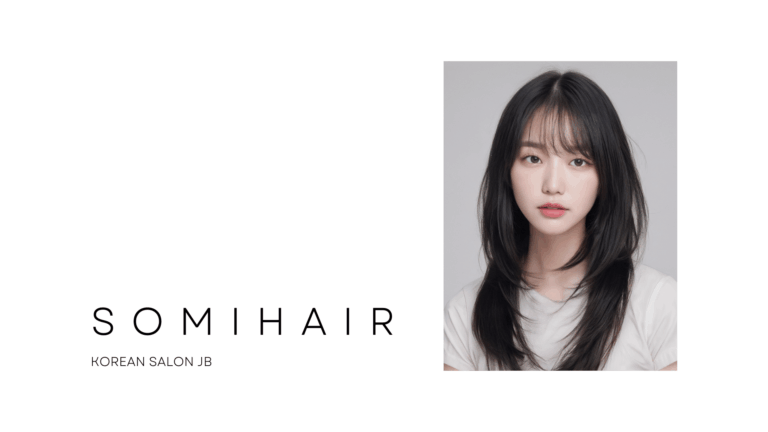
At SOMI Hair Korean Salon, we go beyond the trend-driven Phase 3. We strive for a Phase 4 Personalized Experience, where we leverage data to understand your lifestyle and curate the perfect beauty for you.
Beyond just a hair appointment, we provide comprehensive consulting that considers your personal color, scalp health, and everyday mood. Our goal is to be the salon that “knows you better than you know yourself.” Experience a transformation designed exclusively for you at SOMI Hair.