By lunchtime, your roots look flat, your fringe has separated, and freshly washed hair already feels heavy. That is usually the moment people start searching for a scalp treatment for oily scalp, but the real issue is not just excess oil. It is the combination of sebum, buildup, humidity, product residue, and sometimes an irritated scalp barrier that makes hair lose its freshness faster than it should.
An oily scalp is common, especially in hot, humid weather and for anyone who styles their hair daily. But common does not mean simple. If you treat oiliness too aggressively, the scalp can become uncomfortable and reactive. If you treat it too lightly, roots stay greasy and limp. The best results come from understanding why your scalp is overproducing oil and choosing care that is specific, balanced, and realistic for everyday life.
What causes an oily scalp in the first place?
Sebum is not the enemy. Your scalp produces natural oil to protect skin and keep hair flexible. The problem starts when production is excessive or when oil mixes with sweat, dead skin, silicone-heavy products, dry shampoo residue, and environmental pollution. That combination can leave the scalp feeling congested even right after cleansing.
Genetics plays a role, and so do hormones. Some people naturally produce more oil at the roots, while others notice changes during stress, seasonal weather shifts, or periods of hormonal fluctuation. Styling habits matter too. Frequent touching, heavy leave-in products near the scalp, and overwashing with harsh shampoos can all make the cycle worse.
There is also a difference between oily scalp and oily hair. Hair can look greasy because oil travels down quickly from the roots, especially if your strands are fine or straight. In that case, the scalp may not be severely imbalanced, but the cleansing routine still needs adjustment.
How to choose a scalp treatment for oily scalp
A good scalp treatment for oily scalp should reduce buildup and rebalance the scalp without stripping it raw. That sounds simple, but many products lean too far in one direction. Clarifying formulas can feel satisfying at first, yet they may leave the scalp tight and uncomfortable if used too often. On the other hand, very mild formulas may not remove enough residue to make a visible difference.
The right treatment usually depends on what kind of oiliness you are dealing with. If your scalp feels greasy but comfortable, you may mainly need better cleansing and periodic exfoliation. If it is oily and itchy, there may be inflammation or buildup involved. If it is oily but flaky, the issue may not be dryness at all. In many cases, those flakes are linked to excess sebum and scalp imbalance rather than a lack of moisture.
Look for ingredients that help regulate oil and lift residue gently. Salicylic acid can help loosen buildup around follicles. Tea tree can feel refreshing for some people, although sensitive scalps may prefer softer ingredients. Clay-based scalp masks can absorb excess oil effectively, but frequency matters. Niacinamide and soothing botanical ingredients can be helpful when oiliness comes with irritation.
What you do not want is a treatment that leaves your scalp squeaky, tight, or hot. That feeling is often mistaken for cleanliness, when it is actually a sign the scalp barrier has been pushed too hard.
Why oily scalps often get worse in humid weather
Humidity does not directly create oil, but it can make an oily scalp feel more difficult to manage. Sweat mixes with sebum, roots collapse faster, and hair around the face starts to separate. This is one reason oily scalp concerns are especially frustrating for people who want polished, soft movement in their hair rather than a style that falls flat within hours.
Korean haircare approaches often work well here because they focus on scalp condition and wearability, not just the immediate finish. Fresh-looking roots, comfortable skin, and shape that lasts through the day matter just as much as shine. For clients with layered cuts, fringe, root volume styling, or perms, scalp balance can make a noticeable difference in how well the style holds.
At-home care that actually helps
The first change is usually in shampoo technique, not just shampoo type. If your scalp is oily, cleansing once very quickly may not be enough to remove sebum and residue fully. A gentle double cleanse can work better than one harsh wash. The first cleanse loosens oil and product. The second cleans the scalp more thoroughly.
Water temperature also matters. Hot water can stimulate irritation and leave the scalp feeling stripped, while lukewarm water is usually more balanced. Conditioner should stay on mid-lengths and ends, not the scalp. That sounds basic, but it is one of the most common reasons roots feel heavy too soon.
Exfoliating scalp treatments can help, but not every day. Once or twice a week is enough for most people. More than that can disturb the scalp and trigger sensitivity. If you use dry shampoo often, this becomes even more important because residue can collect around the scalp and make oiliness feel worse over time.
Blow-drying the roots after washing is another small habit that makes a real difference. Letting the scalp stay damp for long periods can leave roots flatter and less fresh. Drying with light lift at the roots helps hair keep shape and reduces that collapsed look that many people mistake for grease alone.
When salon scalp care makes more sense
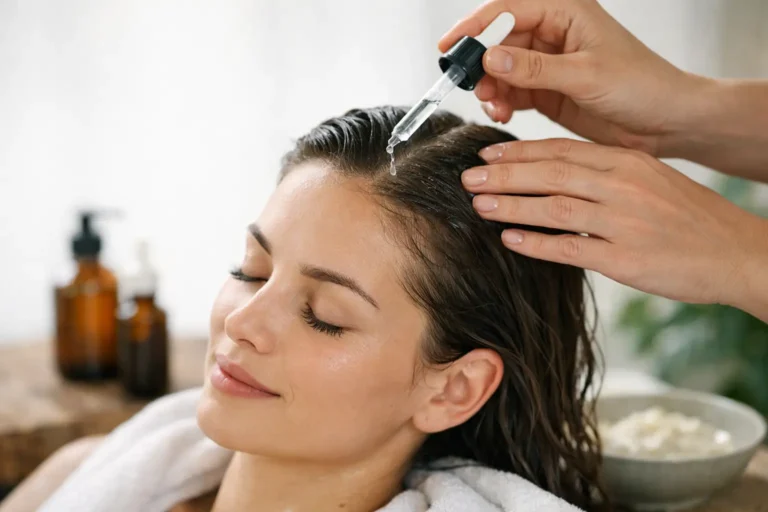
Sometimes home care improves the situation, but not enough. That is usually when a professional scalp assessment becomes useful. A salon treatment can remove stubborn buildup more thoroughly, calm an irritated scalp, and help identify whether the issue is simply excess oil or something more complex.
This matters if you have recurring itchiness, a coated scalp feeling, a strong odor at the roots, or hair that loses volume almost immediately after washing. It also matters before technical services. If the scalp is congested or imbalanced, color, perm, or other chemical services may feel less comfortable, and the overall result can be harder to maintain.
At Somi Hair Korean Salon JB, scalp-focused care is approached as part of long-term hair health, not as an isolated add-on. That distinction matters. A proper consultation looks at scalp condition, hair texture, styling habits, and how your hair behaves in daily weather, because oily roots are rarely a one-product problem.
Signs your oily scalp may need a different approach
If your current routine is not working, your scalp usually tells you. Hair gets greasy again within hours, not a day. The scalp feels itchy even after shampooing. There are flakes that return quickly, especially around the hairline or crown. Or the roots stay flat no matter how well the haircut or styling was done.
Another sign is when you keep switching between harsh clarifying products and heavy soothing products without seeing steady improvement. That often means the scalp is bouncing between over-cleansing and over-coating. A more precise routine is usually better than a more intense one.
It is also worth paying attention to timing. If oiliness suddenly changes without any obvious reason, or if you notice redness, soreness, or unusual shedding, it may be wise to seek professional advice rather than guessing with new products.
A few common mistakes with oily scalp treatment
One of the biggest mistakes is washing more aggressively instead of washing more intelligently. Scrubbing hard with nails, using very strong cleansers daily, or layering multiple scalp actives at once can leave the scalp inflamed. That can make the whole situation feel worse, not better.
Another mistake is applying styling products too close to the roots. Volume sprays, creams, oils, and even some heat protectants can build up quickly if they are not suited to your scalp type. If your roots get oily fast, product placement matters as much as product choice.
Then there is the haircut factor. Heavy shapes with no movement can make oily roots look more obvious, especially on fine hair. Sometimes scalp treatment helps, but a more balanced cut also changes how fresh the hair looks throughout the day.
The goal is balance, not zero oil
A healthy scalp will always produce some oil. The goal is not to eliminate it completely. The goal is to keep the scalp clean, comfortable, and stable enough that your hair holds shape better and stays fresher longer.
That is why the best scalp treatment for oily scalp is rarely the most aggressive one on the shelf. It is the one that respects the scalp barrier, fits your styling habits, and works with your real routine. For some people, that means a clarifying step once a week and better blow-drying habits. For others, it means salon scalp care, a gentler cleanser, and less product around the roots.
When your scalp is properly balanced, everything else gets easier. Hair feels lighter, styling sits better, and even simple everyday looks appear more polished. Fresh roots are not just about appearance. They are the foundation for hair that stays comfortable and wearable long after you leave the salon.