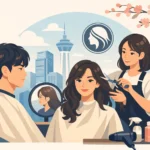
A beautiful color result is easy to love on day one. The real test is how your hair looks two weeks later under office lighting, in afternoon humidity, and during your usual rushed morning routine. That is why johor bahru hair coloring is not just about choosing a trendy shade. It is about choosing a color plan that suits your skin tone, your daily styling habits, and the actual condition of your hair.
For many clients in Johor Bahru, the goal is not dramatic color for its own sake. It is polished, wearable beauty – the kind that feels elevated but still natural in daily life. Korean-inspired color work fits this especially well because it tends to focus on softness, dimension, and shine rather than harsh contrast. When done properly, the result looks refined in person, photographs beautifully, and grows out more gracefully.
What makes Johor Bahru hair coloring worth doing professionally
Hair color can look deceptively simple from the outside. A photo reference makes the shade seem straightforward, but the finished result depends on your base color, previous chemical history, porosity, scalp sensitivity, and whether lightening is required to reach the tone you want.
This matters even more in a climate where heat, humidity, and frequent washing can affect color longevity. Cooler tones often fade faster. Lightened hair can become dry if the process is rushed. Rich browns and muted beige shades may hold better, but they still need technical balance to avoid looking flat or brassy.
Professional coloring is valuable because the right stylist does not just recreate a reference photo. They adjust the formula and technique to your hair reality. Sometimes that means recommending a softer version of ash brown instead of an ultra-cool gray. Sometimes it means postponing bleach and strengthening the hair first. The best result is not always the most dramatic one. It is the one that still feels beautiful after the salon visit is over.
The Korean color look clients ask for most
Korean-inspired hair coloring is popular because it feels modern without being difficult to wear. The shades are usually elegant, softly blended, and designed to flatter the face rather than overpower it.
Soft browns with tone, not flat color
One of the most requested directions is brown, but not basic brown. Clients often want mocha, milk tea, chestnut, beige brown, or ash brown – colors that have visible tone and movement. These shades work especially well for professionals who want a polished image while still enjoying a noticeable refresh.
The key difference is dimension. A good Korean-style brown should catch the light and make the hair look smoother, not heavy or blocky.
Muted ash and beige families
Ash tones can be striking, but they are also one of the easiest categories to misunderstand. True ash often requires enough lift underneath to cancel warmth cleanly. On darker natural hair, that may involve more lightening than some clients expect.
That is where consultation matters. In many cases, a muted beige ash or smoky brown creates a similar elegant effect with less damage risk and easier maintenance. It depends on your starting point and how much upkeep you are prepared for.
Highlights and face-framing brightness
Not everyone wants a full color transformation. Subtle highlights, contour pieces around the face, or blended ribbons of brightness can create a fresher look without committing to all-over bleaching. These services are especially appealing for clients who want definition and softness while keeping most of their natural depth.
Done well, highlights should look intentional but not stripey. They should support the haircut, the skin tone, and the way the hair moves.
Choosing a color that suits real life
A flattering shade is not just one you like in a photo. It should make sense with your wardrobe, makeup habits, workplace expectations, and maintenance tolerance.
If you wear minimal makeup and prefer understated styling, very cool or very light hair may feel high-maintenance faster than expected. If your hair is already dry from previous services, another round of aggressive bleaching may compromise softness and shine. And if you only have time for occasional appointments, a lower-contrast color plan will usually age better between visits.
This is why personalized consultation matters so much. The right salon should ask how often you heat-style, whether your hair has been bleached before, how sensitive your scalp is, and how frequently you are willing to return for toning or touch-ups. Precision starts well before the color is applied.
Johor Bahru hair coloring and hair health should go together
Healthy-looking color is rarely the result of color alone. It depends on the condition of the cuticle, the strength of the hair fiber, and whether the service plan respects the limits of your hair.
This is where many disappointing salon experiences begin. Clients are sometimes promised a bright, cool, high-lift result in a single session when their hair history says otherwise. The immediate color may look acceptable, but the texture becomes rough, the ends weaken, and the shine disappears.
At a premium salon, hair coloring should be approached as part of a long-term beauty routine, not a one-time transformation. That may mean combining color with a treatment plan, spacing out bleach sessions, or choosing a tone that preserves integrity. Beautiful hair is not only about shade accuracy. It is also about softness, movement, and manageability.
For clients who regularly color their hair, scalp comfort should also be part of the conversation. A sensitized scalp, excessive dryness, or irritation after repeated chemical services should never be brushed aside as normal. A better experience comes from careful product selection, proper technique, and attention to how your scalp and hair respond over time.
What to expect from a proper color consultation
A serious consultation should feel detailed, calm, and honest. It is not just a quick question about whether you want brown or blonde.
Your stylist should assess your current base, look at old color bands, ask about previous rebonding or perm services, and explain whether the inspiration photo is achievable in one visit. This is also the moment to discuss upkeep. Some colors need purple shampoo, some need gloss refreshes, and some simply need a good sulfate-conscious routine and less heat.
The most trustworthy advice is not always yes. If your hair needs recovery first, a professional recommendation may be to strengthen the hair before attempting major lightening. That restraint is part of expertise.
At Somi Hair Korean Salon JB, this kind of consultation-led approach is central to creating color that feels stylish, comfortable, and realistic for daily life.
Aftercare decides how long your color stays beautiful
Even excellent color work needs proper maintenance. The first mistake many clients make is washing too soon or too often with harsh cleansing products. The second is assuming treatment is optional after lightening.
Color longevity improves when hair is handled gently. Use color-safe shampoo, reduce very hot water, and protect the hair from frequent high heat. If your shade is cool-toned, expect some warmth to return gradually. That does not mean the service failed. It simply means toning families fade differently, and maintenance needs to match the color choice.
If your hair has been bleached or heavily processed, regular treatment becomes part of preserving the result. Without that support, even an expensive color can start looking dull because the hair surface no longer reflects light smoothly.
When a subtle result is actually the more luxurious one
There is a reason many sophisticated color results do not scream for attention. Soft dimension, controlled warmth, and healthy shine often look more premium than extreme contrast or overprocessed lightness.
This is especially true for clients who want elegance they can wear every day. A well-designed brown with tonal depth, a gentle ash-beige balance, or carefully placed highlights can make the entire haircut look more expensive. The result feels intentional, not overdone.
The best johor bahru hair coloring is rarely just about making hair lighter. It is about creating balance – between trend and practicality, between visible change and long-term hair quality, and between what looks beautiful in a salon chair and what still looks refined on an ordinary weekday.
If you are considering a new color, choose the option that will still feel like you when the novelty settles. That is usually the result worth investing in.